A good Rome walk starts with a choice: what would you like to notice? Perhaps it is the shape of a square, the details on a building or the stories behind a place whose name you already know. You do not need to fit every famous sight into the same afternoon.
Start with a short list in one area, choose the stop that matters most to you and build the rest around it. Check the route and any admission arrangements before you leave, then leave room to change your mind.
1. Choose a focus, not a checklist
Write down one thing you want from the walk. It might be architecture, art, a few well-known landmarks or simply time to look closely at a neighbourhood.
Choose one must-see place and two or three optional stops. When everything is essential, a pleasant detour becomes a problem. With a shorter list, you can spend longer somewhere interesting without feeling that the day has gone wrong.
2. Put your shortlist on a map
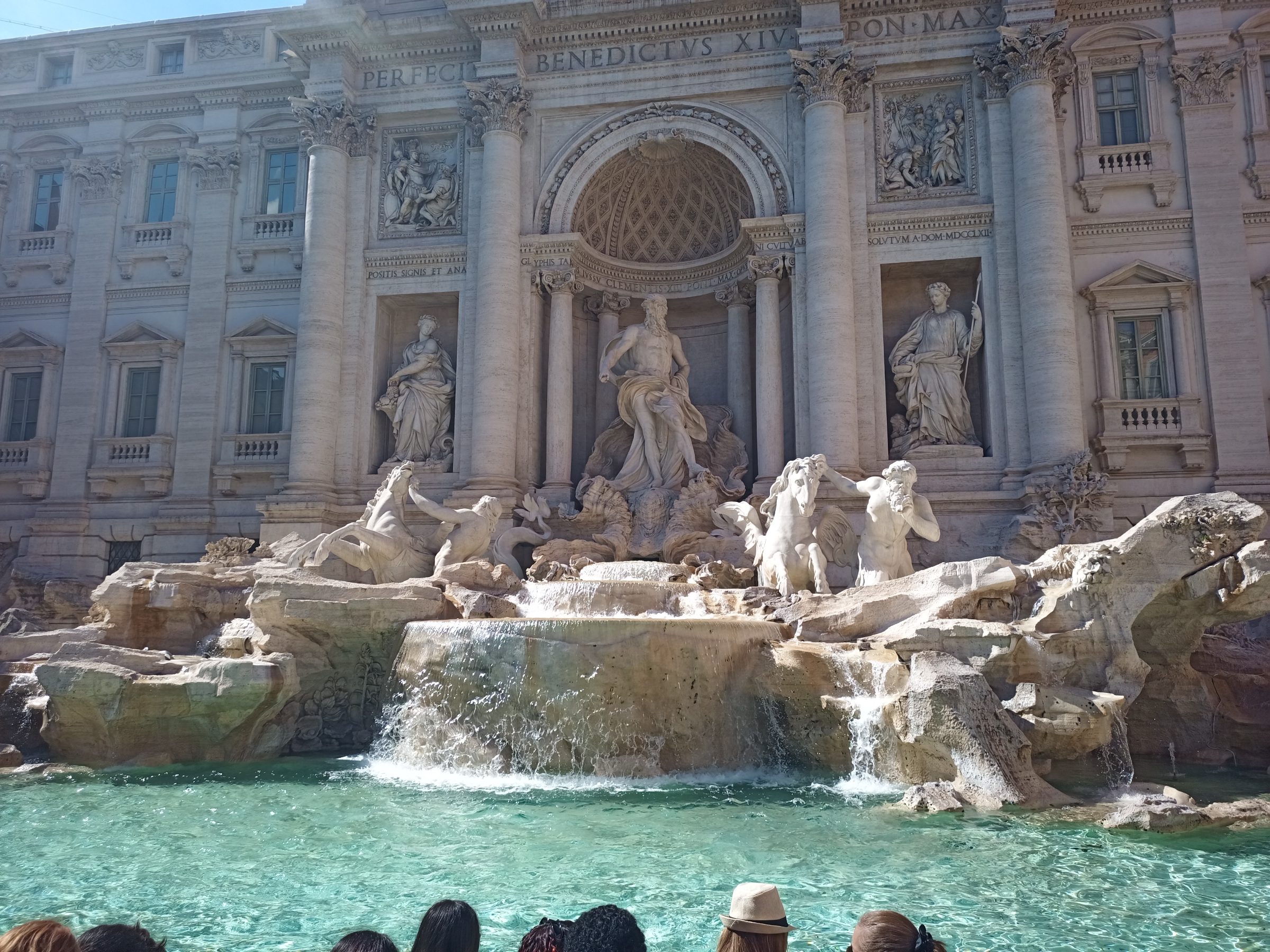
One central-Rome shortlist might include Piazza Navona, the Pantheon and Trevi Fountain. Treat those as candidate stops, not a ready-made itinerary. Plot your starting point and finishing point too, then check the walking connections before deciding on an order.
If the route doubles back, remove a stop or save it for another day. Add somewhere you can pause. A map can show the connections, but your interests should decide which places deserve your time.
3. Separate seeing a place from going inside
An exterior stop and an interior visit are different plans. Before making an interior visit central to your walk, check the venue's official information for opening hours, admission, reservations and any access requirements that matter to you.
Keep the plan flexible if those details are uncertain. You can choose another stop or reorganise the walk rather than build the day around an assumption. This article is a planning method, not a promise of entry or a verified walking time.
4. Check the practical route
Look beyond the line on the map. Consider distance, crossings, steps, surfaces, weather and the needs of everyone joining you. Check any accessibility requirements against current venue and transport information rather than assuming the shortest route will suit you.
Make the walk shorter if you need to. Decide where you could finish early, and check how you would continue your journey from there. A useful plan gives you choices; it does not oblige you to complete every stop.
5. Bring questions as well as directions
At each place, write down one question you would enjoy exploring. Try: “What should I notice from here?”, “How has this place changed?” or “What connects this stop with the last one?”
Specific questions give you more to look for than a long list of dates. Leave space for an unexpected detail too. If you listen to audio, pause somewhere appropriate and keep your attention on the street when moving or crossing.
Keep a simple plan you can change
Before you set out, keep your stop list, route and any required booking details easy to find. Check that the maps, connectivity and tools you intend to use will be available when you need them. Do not assume that every service works offline.
For more ideas about using an audio guide in the city, explore our Rome guide. If you would like to add a travel audio guide to your planning, see how Any Audio Guide works, then check the download options for your device.
The best version of your walk is not necessarily the one with the most stops. It is the one that leaves you time to notice where you are.